-
FALSE ALLEGATIONS IN THE BIBLE, Part 1
I made the point yesterday that it seems we are inclined towards disbelieving denials: when an allegation is leveled at someone, we are more likely to side instinctively with the accuser than the accused. I find it interesting how often this very issue comes up in the Bible – and the prominence of false accusations in Scripture should definitely give us pause when we are tempted to jump to conclusions of guilt. Although one could argue that the first false accusation in Scripture comes out of the mouth of the serpent in the opening chapters of Genesis, I am wanting…
-
A GLITCH IN THE TRUTH BIAS
Sociologists agree that humans tend to have a “truth bias” – a strong, inherent willingness to believe that others are telling us the truth. We are easily duped. Now I don’t have any empirical data to back this up, but it seems to me that there is one occasion where we definitely tend towards an “untruth bias”: Denials. For some reason, we seem inclined to treat most denials as lies. For a good recent example, recall the moment a few months ago when Prince Harry and his wife Meghan Markle made international news by telling Oprah Winfrey that the Royal…
-
PRIORITY
Here’s something I heard on a podcast recently about the word “priority”: originally it was never used as a plural. There was no such thing as “priorities”. I have no idea if this is true, but it makes sense logically. “Priority” means “coming before” or “first in rank or importance”. Ultimately, only ONE priority is possible. Only one thing can be THE most important. All other considerations can be ranked in descending order of importance, but they cannot technically be called “priorities”. This would be a good thing to keep in mind when considering this commandment from Jesus in Matthew…
-
THE BIBLE ON LYING
Maybe it’s a result of our truth bias – that we just don’t notice the lies around us. Maybe it’s our tendency to minimize our own sins. But it seems to me that we underestimate the gravity of lying as a sin. The Bible has some serious, serious warnings against lying found throughout both the Old and New Testaments. God does not take lying lightly. Proverbs 6:16-19 well represents God’s attitude towards lies as well as some of the other sinful behaviors He associates with lying: “There are six things that the Lord hates, seven that are an abomination to him: haughty…
-
TRUTH BIAS
Here’s another psychological phenomenon that has fascinated me since I became aware of it this past year: Truth Bias. In essence, we all think we have a built in truth detector. We are certain we could recognize the “tells” in the face of a liar – the inability to look us in the eye, a telltale smirk, or a bit of sweat on the brow. In reality, we are unduly predisposed towards believing other people and absolutely lousy at picking up on lies. I guess that makes sense. In order for society to function, we can’t be questioning every little…
-
TOILET REPAIR LESSONS
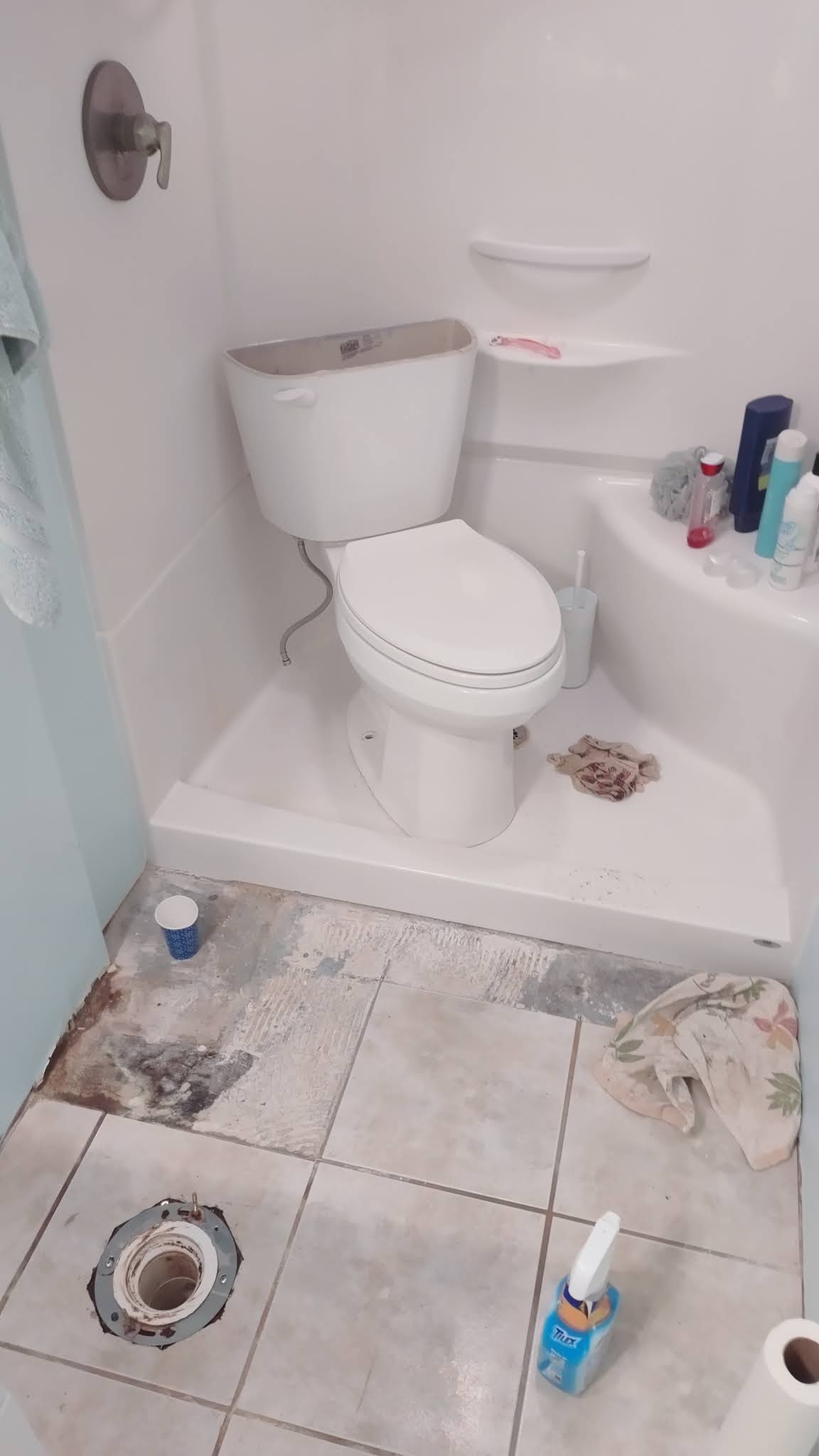
Today felt like the first real day of my summer break since I have just recovered from a two week sinus infection and my mini-job of monitoring summer school ended last Friday. So I was read to tackle a couple of items on my to-do list. I watched a YouTube video on fixing a leak around the base of a toilet. I needed to fix the leaky toilet in the basement before I can get to Melissa’s top priority on my list: Patching the tiling in the downstairs bathroom. The YouTube Guy said that a plumber would charge me $250…
-
THE HABIT LOOP IN THE BIBLE
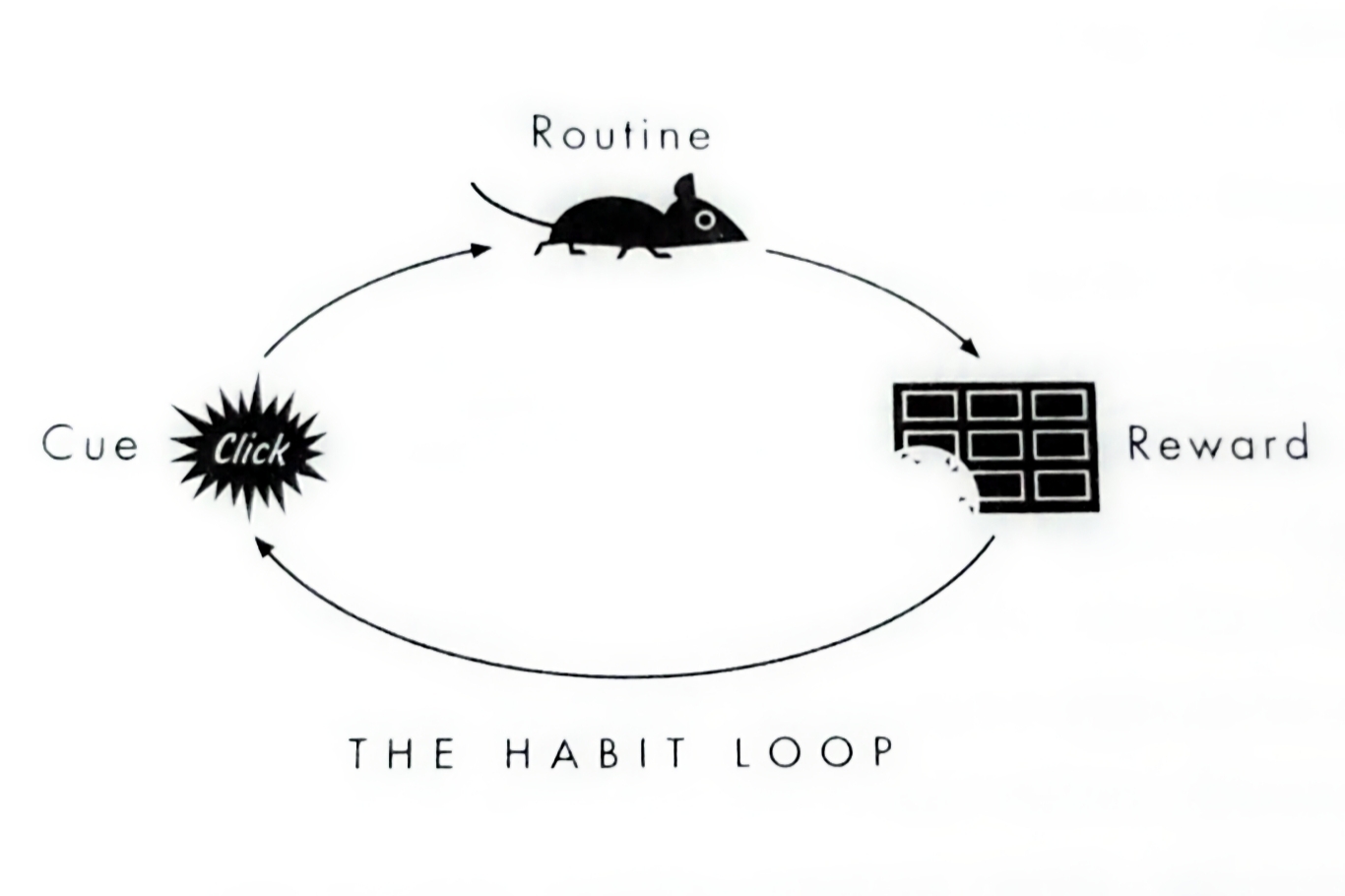
Jesus tackles the possible pitfall of three ostensibly good habits during his Sermon on the Mount in Matthew 6: All three fall under the umbrella of “practicing your righteousness in front of others” and the pitfall lurks in the motivation. His warning is interesting in light of what Charles Duhigg calls the “habit loop” in The Power of Habit: Here’s Jesus’s warning: “Be careful not to practice your righteousness in front of others to be seen by them. If you do, you will have no reward from your father in heaven.” (Matt 6:1) Ultimately, the question Jesus poses for each…
-
THE POWER OF HABIT: BREAKING BAD ONES
The “habit loop” described by Charles Duhigg in The Power of Habit holds the key to breaking free from bad habits. Do you find yourself regularly repeating some routine behavior even though you recognize it as entirely undesirable – because it is unhealthy, dangerous, embarrassing, wasteful or expensive? The key to breaking free, according to Duhigg and behavioral scientists, lies not so much in willpower as in understanding two things: 1) What cue triggers the routine? And 2) What reward does the routine deliver? Both require some degree of introspection and discernment, but number 1 might be a bit easier…
-
POWER OF HABIT: THE LOOP
We have all heard it said: “Knowledge is power”. So true. And I would add “Self knowledge is the greatest power of all”. In his book on habits, Charles Duhigg unveils a potent bit of self knowledge, what he calls the “habit loop”. It is the basic structure of any habit – good or bad – and familiarity with it puts us back in the driver seat when it comes to starting new good habits or breaking bad habits. It is not just a matter of willpower, as I have assumed throughout most of my life. The habit loop is…
-
GOOD DESIGN
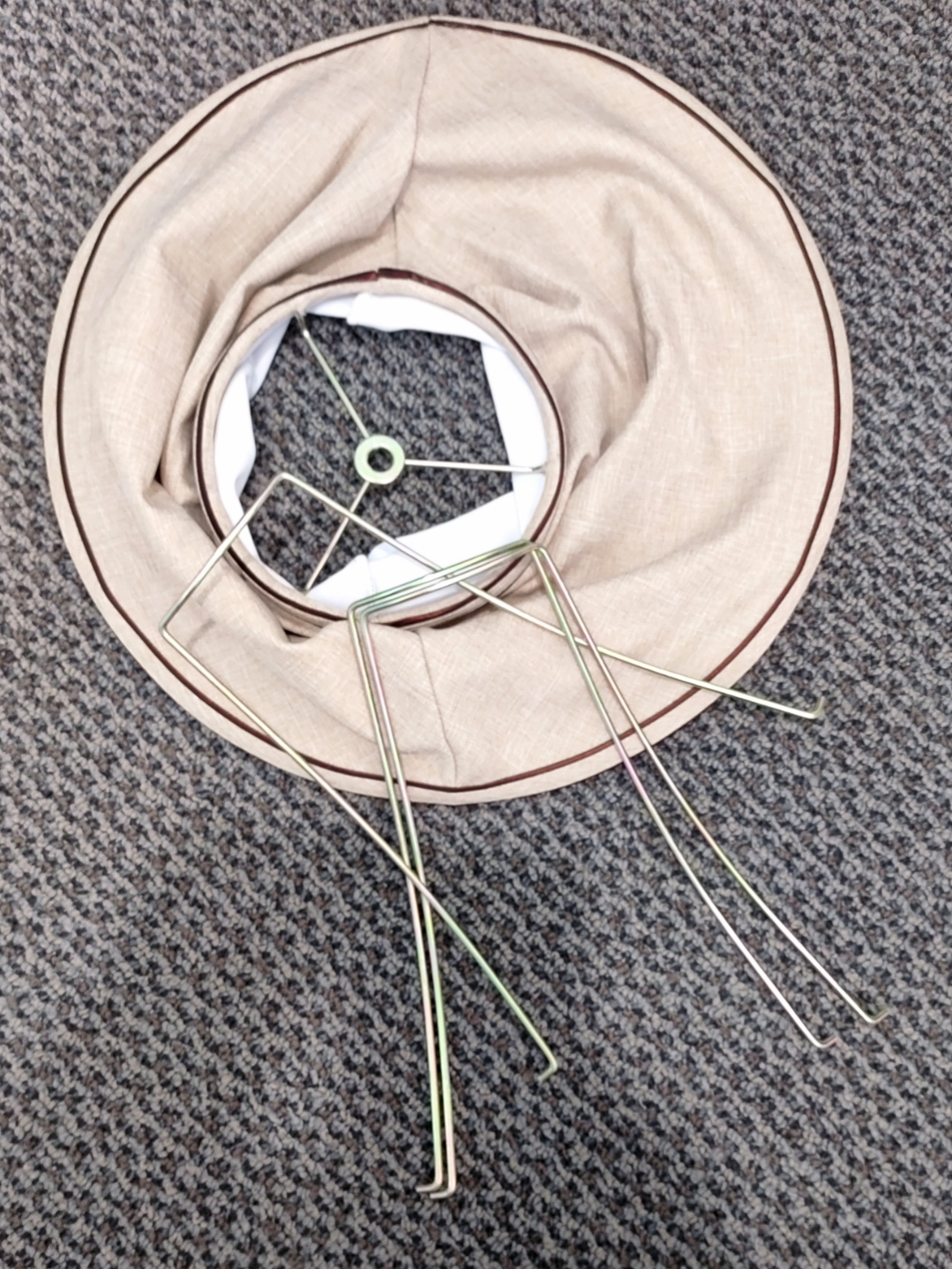
There is something about innovative design that just gives me a buzz and garners my admiration. Especially if it involves finding a new and better way of doing something that had not even been questioned before. Take lamp shades. Beautiful once in place, but rigid, fragile, and bulky for shipping, storing or moving. In a day when everything needs to be compactly shippable from door to door, how do you handle lamp shades? Today I put together three lamps – two table tops and a matching floor lamp – in Melissa’s remodeled office. Unassembled, all three lamps and their shades…